Hug

Designed as a lounge chair and ottoman kit of parts, Hug explores comfort through choice, adaptability, and personal control. Hug began as a residential chair centered on easing anxiety through hands-on upholstery. It has since been adapted for commercial environments, extending that focus to support neurodiverse users.
Year
2023
Scope
Research, Strategy, Furniture Design
Timeline
10 weeks
Recognition
Red Dot, Fast Company, EPDA
Subtle concave end caps and soft frame indentations introduce moments of tactile interaction throughout Hug’s structure. These details create small points of relief for nervous or restless hands, turning the frame into something that can be touched, traced, and used as a quiet form of grounding.

Rather than treating the chair as a passive object, Hug builds comfort into its structure—offering gentle sensory feedback that supports focus and calm without drawing attention to itself.
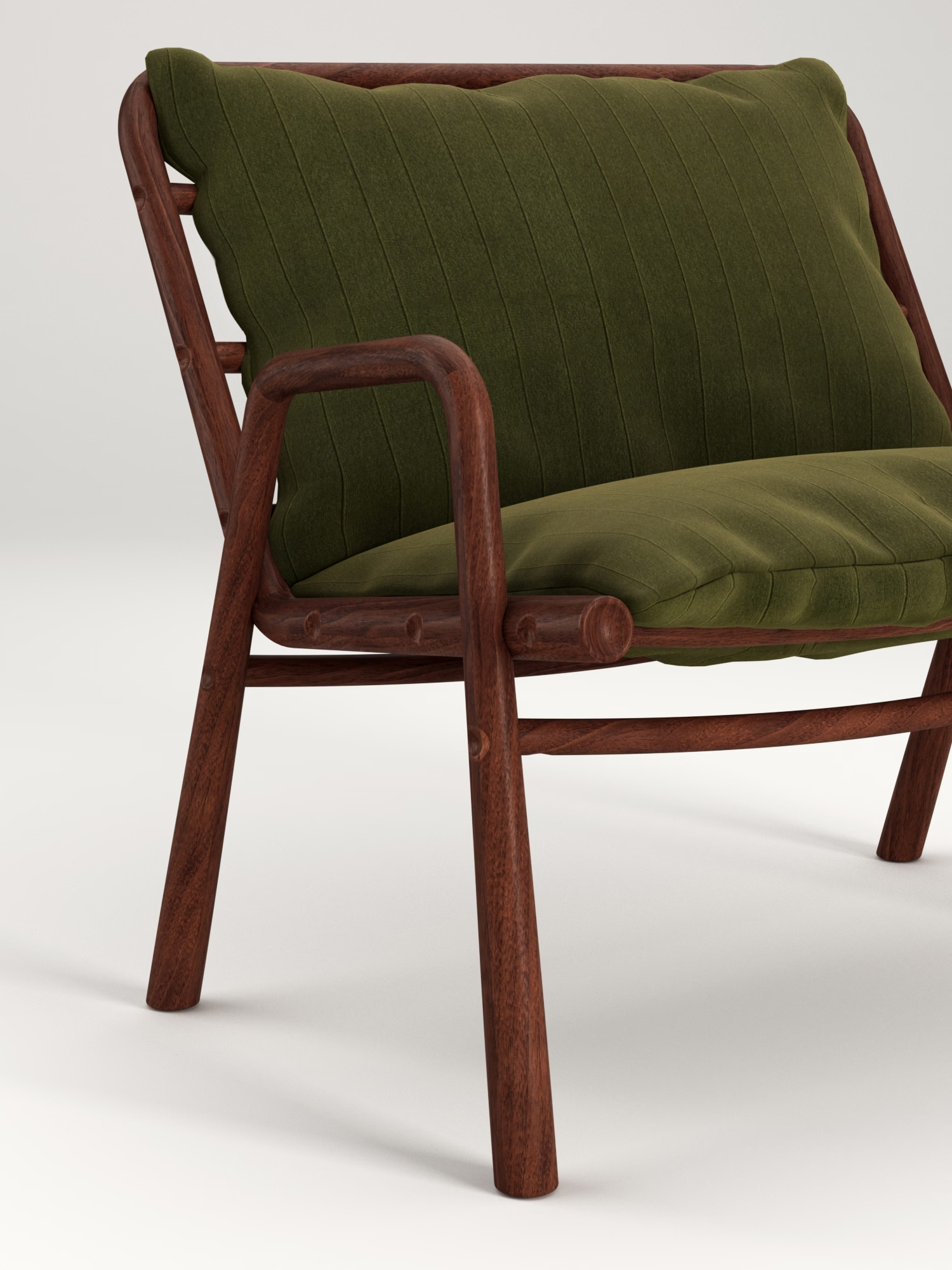
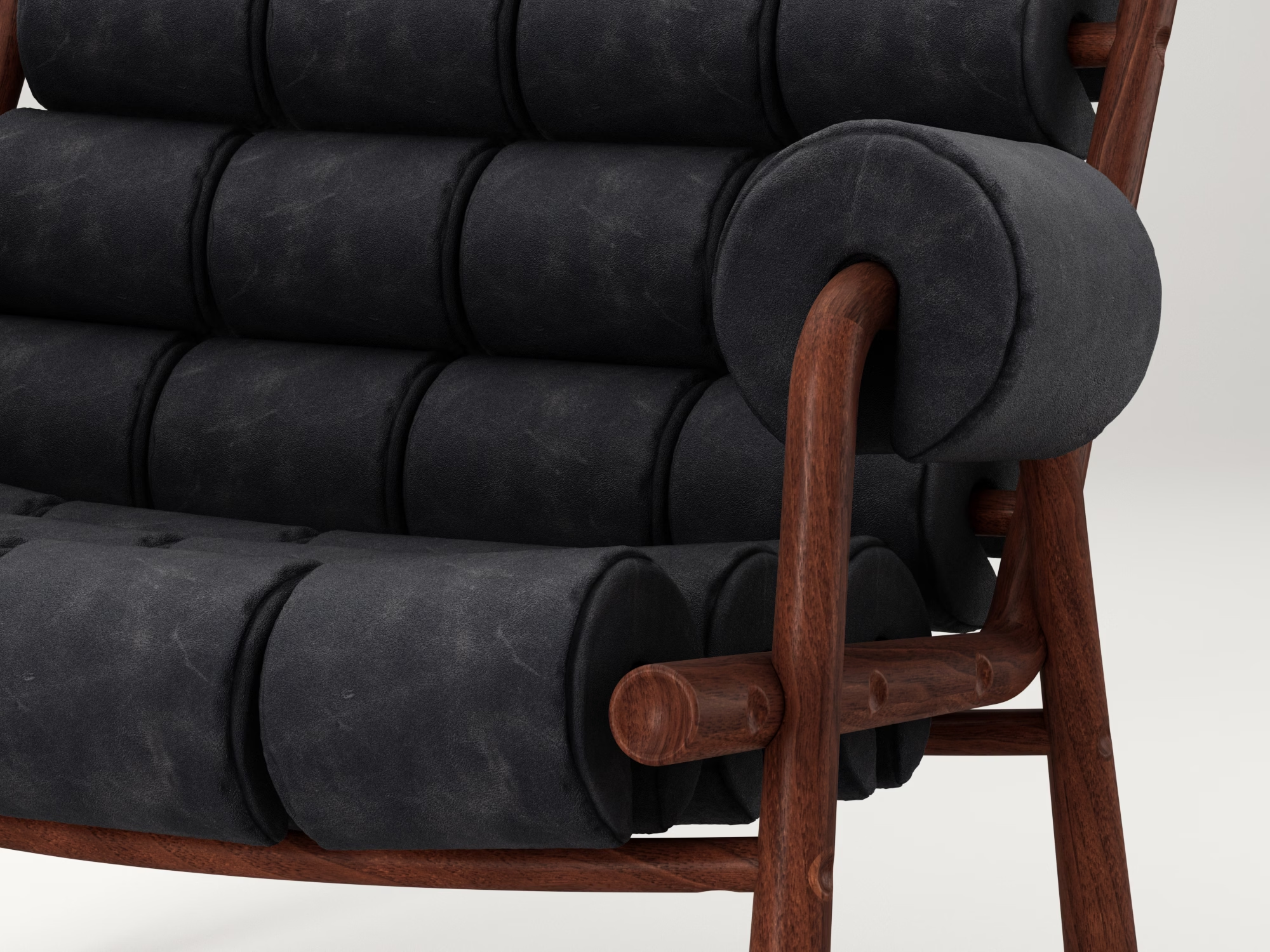
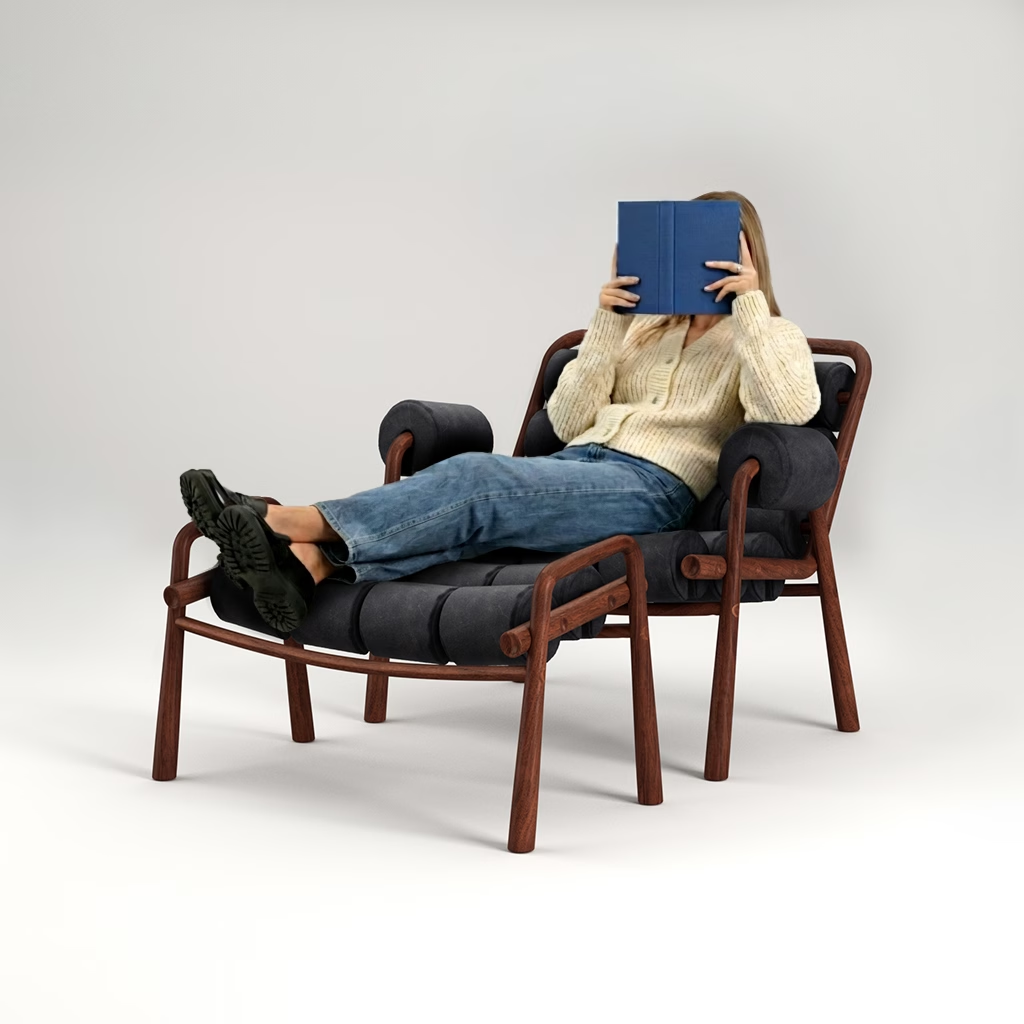
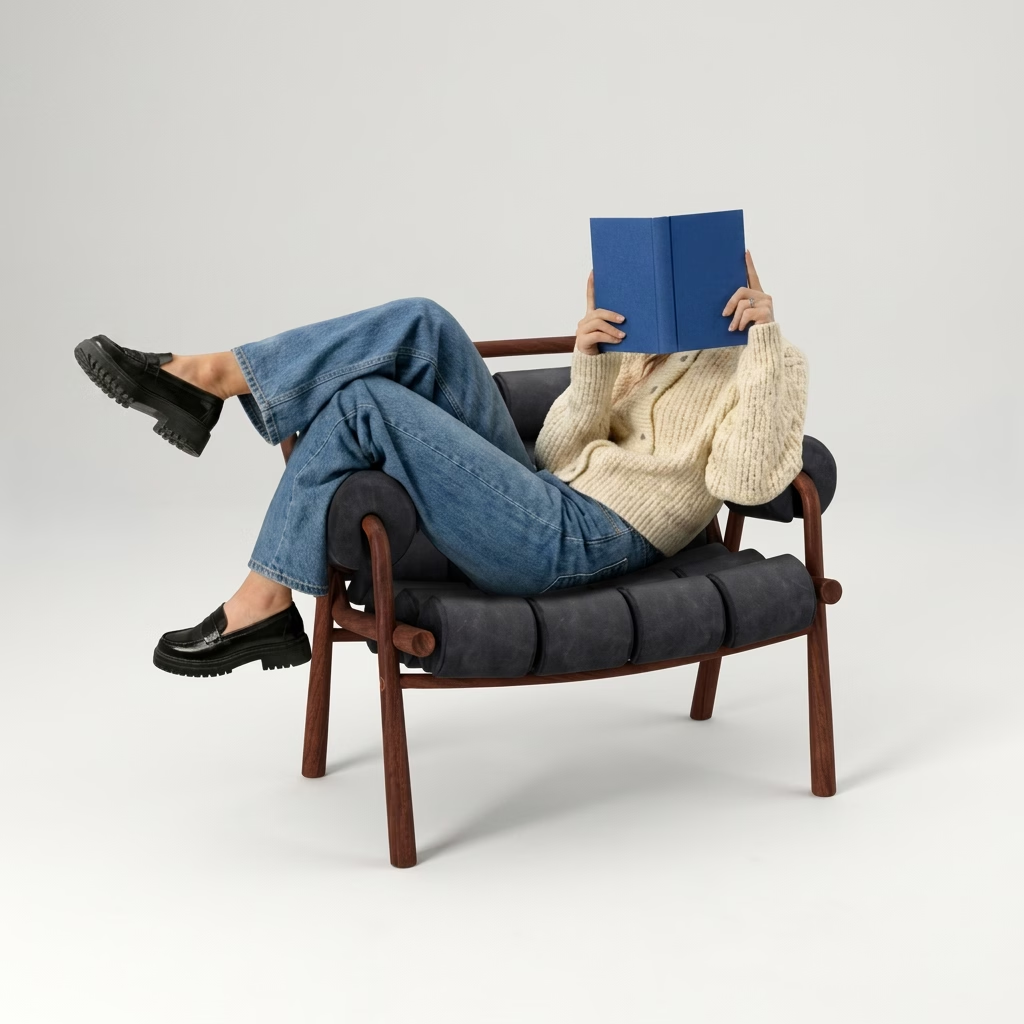
Hug is designed to support a range of seated positions through its physical form, instead of defining a single correct way to sit. By allowing the body to move and reorient without constraint, relaxation is made easy.

At approximately 30 inches wide, the chair supports multiple ways of sitting—upright, cross-legged, or loosely draped over the armrests, with the option to extend into the matching ottoman. This flexibility reinforces a sense of autonomy, resulting in a seating experience defined by choice rather than instruction.

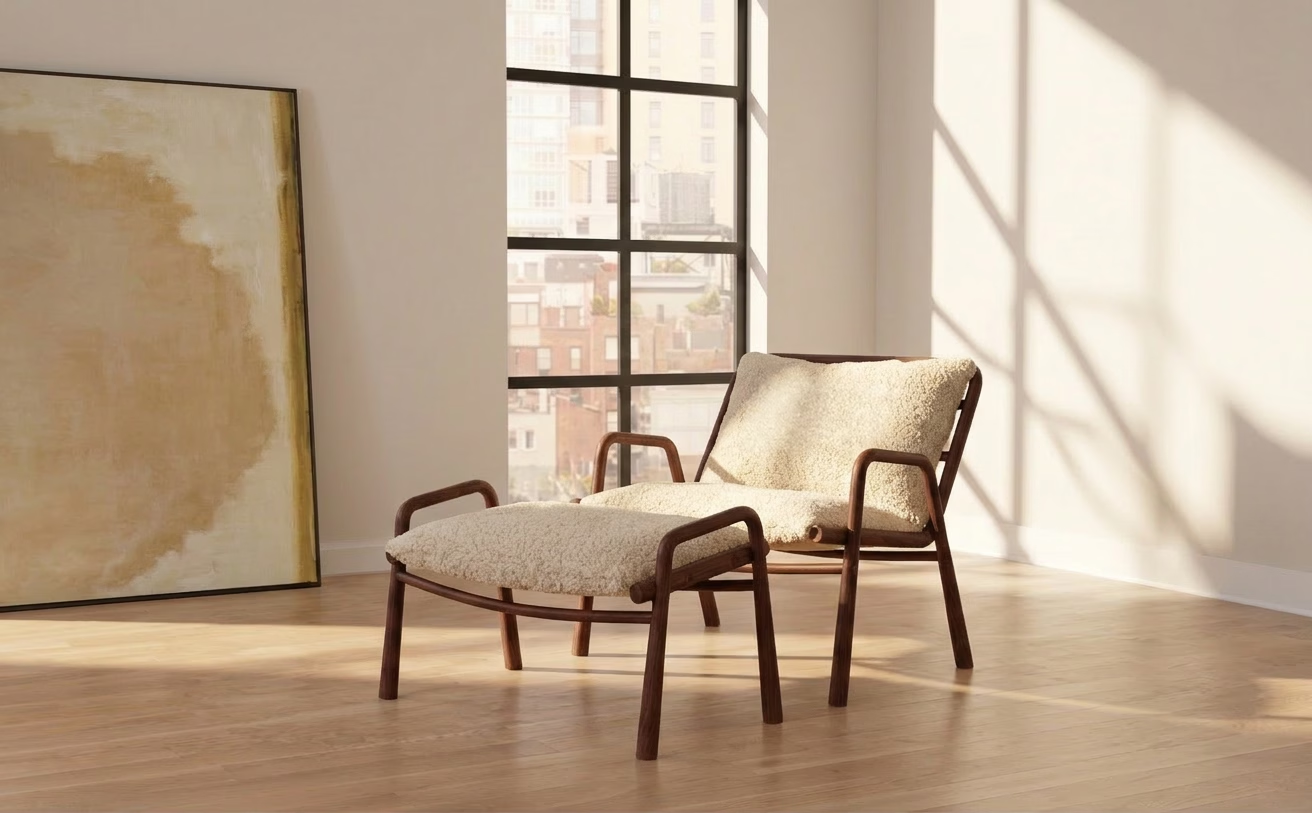
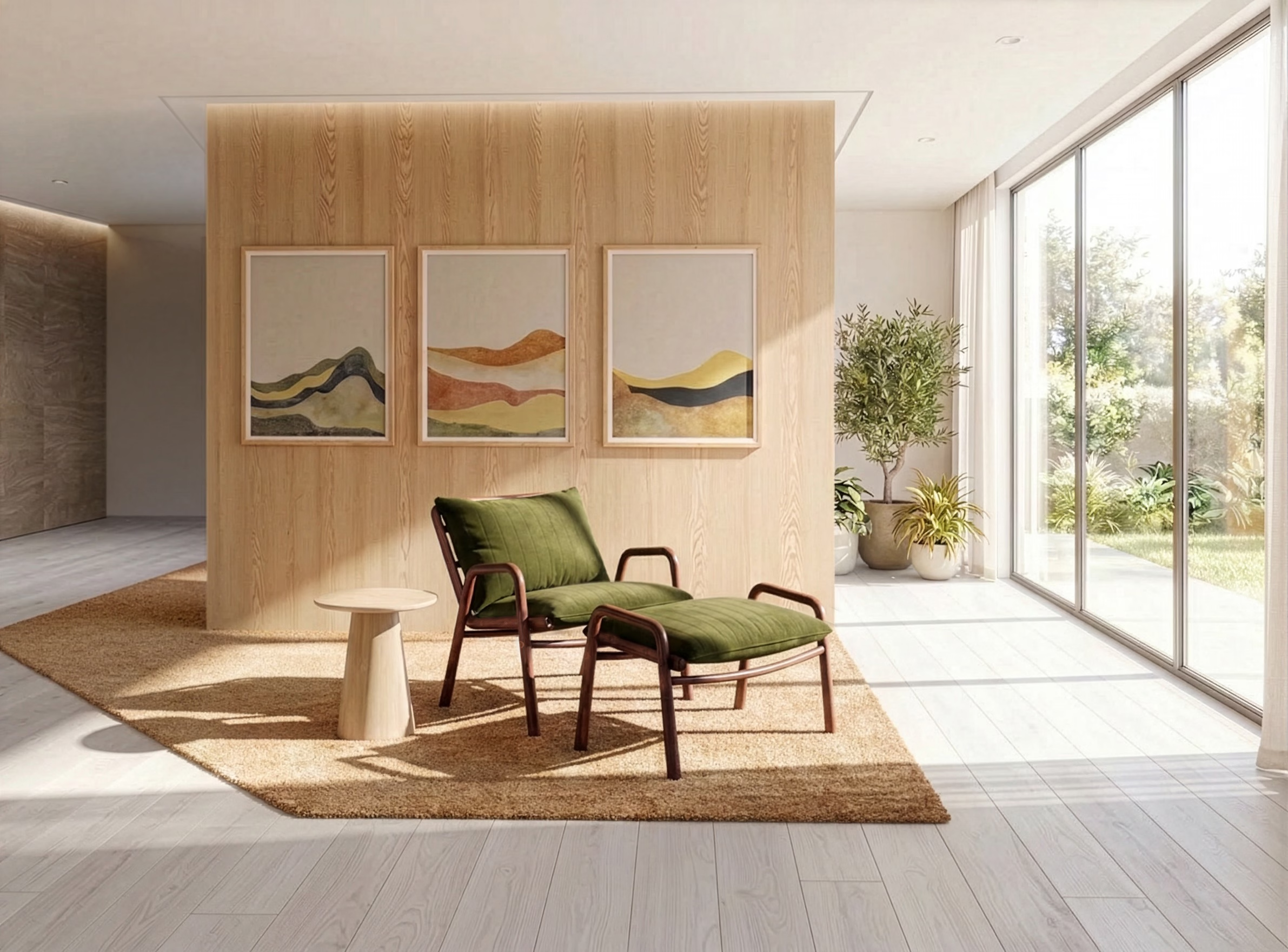
Hug offers a variety of material and finish options, allowing the chair to adapt across different environments and sensory preferences. Upholstery choices extend beyond color, incorporating texture and tone as part of the comfort experience.

The frame is available in neutral or colored powder-coated metal, as well as light or dark natural wood finishes, further expanding its adaptability. Presented as a kit of parts, Hug offers a flexible system of cushions, fabrics, and structural options designed to support a wide range of users, spaces, and desires.
More projects.